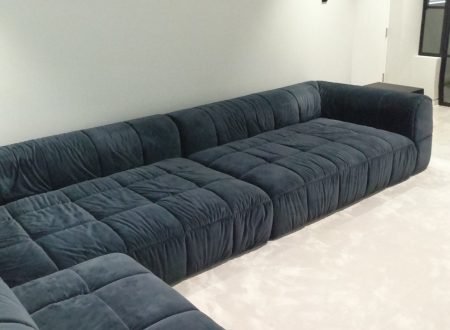
Why Expensive Sofas Still Get Stained: How to Protect Upholstery in London Homes
A beautiful sofa can be one of the most important pieces of furniture in your home. Whether you have invested in a designer corner sofa, a velvet armchair or a comfortable family suite, you naturally want the fabric to remain clean and attractive for as long as possible.
Unfortunately, even expensive furniture can be vulnerable to everyday spills, dust, body oils and accidental marks. A coffee spill during a busy morning, a glass of wine at a dinner party or muddy paws after a rainy London day can quickly become a concern.

This is why many homeowners consider fabric protection for sofas and upholstered furniture. A suitable protective treatment may help certain liquids resist immediate absorption, potentially making some spills easier to manage when addressed promptly.
At Nice & Clean London, we provide cleaning services for customers who want to maintain their homes and furnishings. Our Scotchgard Protector service in London is a useful starting point if you want to discuss professional fabric protection for suitable upholstery.
In this article, we explain why furniture gets stained, what Scotchgard protection can do, when to consider treatment after cleaning and how to maintain upholstery in busy London households.
Why Is Upholstery So Difficult to Keep Clean?
Upholstered furniture experiences more everyday contact than many people realise. Sofas and armchairs are used for relaxing, entertaining, working from home and spending time with family.
Several factors influence how easily upholstery becomes marked:
- Fabric composition: Cotton, polyester, wool, velvet and blended textiles have different characteristics.
- Weave and texture: Some fabrics can be more challenging to maintain than others.
- Colour: Light-coloured upholstery can make certain marks more noticeable.
- Frequency of use: A sofa used daily may experience more wear and soiling than occasional seating.
- Spill type: Coffee, wine, sauces and oily substances behave differently on different fabrics.
- Previous treatments: Factory finishes and cleaning products may affect the suitability of further treatments.
For London homes, where living space often needs to serve several purposes, the sofa can be one of the most heavily used items in the room.
The solution is not to avoid using your furniture. Instead, combine appropriate maintenance with preventative measures that are suitable for the material.

What Is Scotchgard Fabric Protection?
Scotchgard is a brand of protective products that includes formulations designed for certain fabrics and upholstery.
A compatible fabric protector may help resist the immediate penetration of some liquids. This can provide additional time to respond to a spill and may make certain stains easier to manage.
However, fabric protection is not the same as waterproofing, and it does not make furniture completely stain-proof. Results depend on the formulation, fabric, application conditions, wear and the type of substance involved.
Before applying a treatment, check the furniture manufacturer’s care instructions and confirm that the selected product is suitable for the material.
For further information, consult the manufacturer’s instructions for Scotchgard Fabric Water Shield.
If you want to discuss a professional treatment, visit our Scotchgard Protector service page.
Five Everyday Causes of Sofa Stains
1. Coffee, Tea and Soft Drinks
A morning coffee on the sofa or a drink during a film can result in an accidental spill. Some drinks contain colourants that may leave visible marks if not addressed appropriately.
If a spill happens, gently blot the excess liquid using a clean, absorbent cloth. Avoid vigorous rubbing and do not apply an untested cleaning product.
2. Wine and Food Spills
Dinner parties and family gatherings often involve food and drinks near upholstered furniture.
Sauces, oils and coloured liquids may require different cleaning approaches. A fabric protector may help with certain spills, but it cannot guarantee that every mark will be prevented.
3. Pets and Outdoor Dirt
Wet paws and outdoor dirt can affect sofas, armchairs and other upholstered items.
A protective treatment will not prevent pet hair, scratching, chewing or all odour-related problems. Regular vacuuming and appropriate cleaning remain important.
4. Body Oils and Frequent Contact
Headrests, armrests and favourite seating positions can accumulate body oils and general soil over time.
Regular maintenance and appropriate professional upholstery cleaning may help manage accumulated soil.
5. Makeup, Ink and Other Difficult Marks
Cosmetics, pens and other household substances can create particularly challenging stains.
Do not assume that a general fabric protector will prevent these marks or that a standard cleaning product will remove them safely. Check the furniture manufacturer’s instructions before attempting treatment.
Is Fabric Protection Worth It for a Luxury Sofa?
For some households, yes. For others, it may be unnecessary.
The decision depends on the furniture, how often it is used, the fabric’s existing properties and the manufacturer’s recommendations.
Fabric protection may be worth considering if you have:
- A newly purchased sofa made from a compatible textile.
- Light-coloured upholstered furniture.
- Frequently used family seating.
- A sofa in a living room used for entertaining.
- Several upholstered chairs that are difficult to replace.
- Furniture that has just been professionally cleaned and is suitable for treatment.
For customers with premium furnishings or distinctive interior design, the treatment should be selected with the textile’s characteristics in mind.
Read our article on modern heirloom fabric protection and tailored Scotchgard services in London to explore the considerations involved in protecting valuable and carefully selected furnishings.
Suggested image alt text: Luxury upholstered sofa in an elegant London home requiring fabric care and protection.
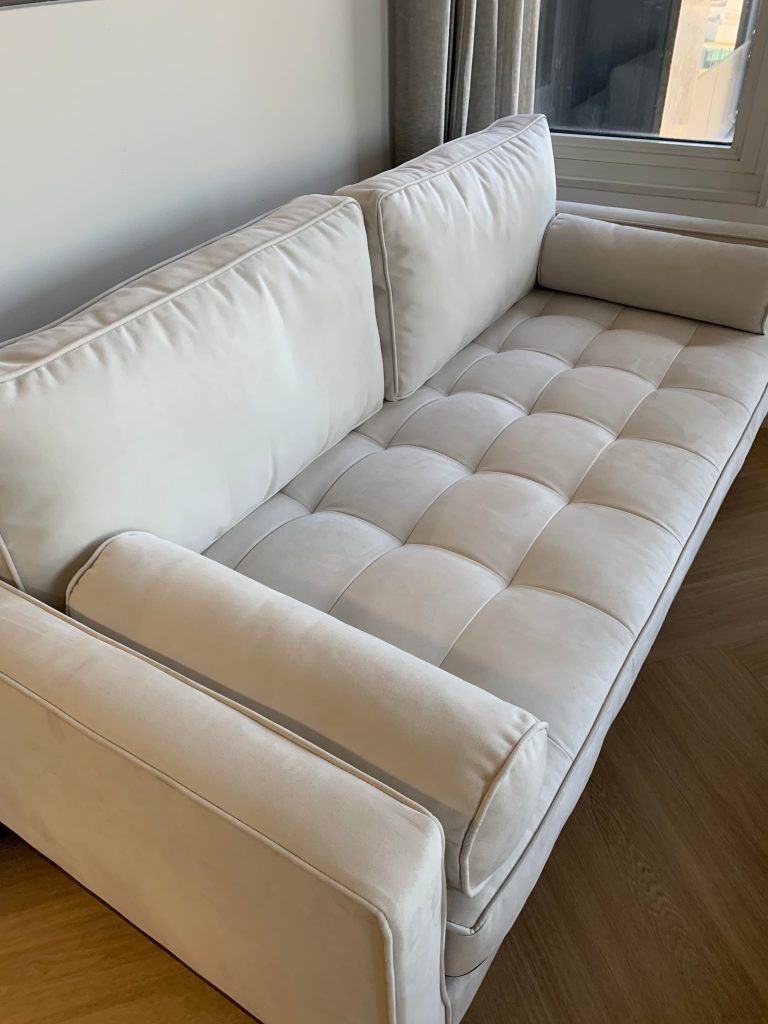
Can Scotchgard Be Used on Velvet, Wool or Delicate Fabrics?
Not every fabric is suitable for the same treatment.
The correct approach depends on the product and the specific textile. Velvet, delicate upholstery, certain wool fabrics and specialist designer materials may require additional assessment.
For example, the manufacturer’s guidance for its Fabric Water Shield product advises against use on smooth leather and suede. It also recommends testing for colourfastness and checking the fabric’s cleaning code.
Before booking a service:
- Locate the furniture’s care label.
- Check the manufacturer’s instructions and warranty conditions.
- Identify any existing protective finish, if known.
- Confirm that the proposed product is suitable for the fabric.
- Arrange appropriate testing where recommended.
If compatibility cannot be established, seek specialist advice rather than risk altering the fabric’s appearance or texture.
Should You Apply Scotchgard After Professional Cleaning?
Professional cleaning and fabric protection serve different purposes.
Cleaning removes suitable soil and addresses certain stains, while a compatible protector may provide additional resistance to some future spills. Protection does not remove existing dirt, so a sofa or carpet may need appropriate cleaning before treatment.
However, protection is not automatically required after every cleaning appointment. The material, existing treatment, manufacturer’s instructions and selected product all matter.
If you are deciding whether protection is worthwhile after a professional clean, read our article, Should You Scotchgard Your Carpet or Sofa After Professional Cleaning?.
This related article explores the decision from the perspective of recently cleaned upholstery and carpets.
For customers whose sofas need attention before protection can be considered, our upholstery cleaning service in London is a useful starting point.
A suitable cleaning and protection plan may involve:
- Checking the upholstery material and manufacturer’s care instructions.
- Assessing visible marks and general soiling.
- Selecting an appropriate cleaning method.
- Allowing the upholstery to dry as required.
- Confirming compatibility with the intended protector.
- Applying the treatment according to the product instructions.
- Following the recommended drying and aftercare guidance.
The exact process varies by item. Not every sofa requires the same preparation or treatment.
How to Maintain Protected Upholstery
Even after suitable fabric protection, your sofa still needs regular care.
Vacuum the Fabric Regularly
Use a suitable upholstery attachment and follow the furniture manufacturer’s instructions. Pay attention to creases, seams and areas where loose dirt tends to collect.
Blot Spills Promptly
Use a clean, absorbent cloth to remove excess liquid. Blot gently rather than scrubbing.
Follow the manufacturer’s guidance for further cleaning and avoid using multiple unverified products on the same stain.
Rotate Cushions Where Appropriate
If the furniture design permits, rotating or rearranging cushions may help distribute everyday use more evenly.
Keep Cleaning Products Suitable for the Fabric
Do not assume that a product labelled as a fabric cleaner is appropriate for every upholstery material. Check the care label and test products only as directed.
Follow the Protector’s Aftercare Instructions
Drying times and reapplication requirements vary between products. Follow the instructions for the particular treatment and do not use the furniture until the product has dried as directed.
A protective treatment should complement good maintenance rather than replace it.
Fabric Protection Before Parties and Holidays
Preparing your home for visitors can involve more than cleaning floors and kitchen surfaces. Sofas, armchairs and carpets may also need attention, particularly if you expect guests, family gatherings or seasonal celebrations.
If your furniture is suitable, preventative fabric protection may be worth considering before a busy period. However, it should be arranged early enough to allow any necessary cleaning, treatment and drying in accordance with the product instructions.
A sensible preparation plan includes:
- Checking the condition of your upholstery.
- Arranging professional cleaning if needed.
- Confirming whether a compatible protector can be applied.
- Following all drying and ventilation instructions.
- Keeping appropriate cleaning materials available for accidental spills.
For more seasonal advice, read our ultimate guide to Scotchgard protection before the holidays.
Suggested image alt text: Clean upholstered seating prepared for guests in a London home before a holiday gathering.
A Real-World Perspective: Protecting Upholstery in a Period Property
Period properties can feature distinctive interiors, carefully chosen furniture and decorative fabrics that need thoughtful maintenance.
In these homes, protecting upholstery is not simply about preventing a coffee stain. It is also about choosing a treatment that is compatible with the fabric and respecting the furniture’s existing care requirements.
Older or delicate textiles may need specialist assessment, and not every fabric should receive a standard protective product.
Our related Belgravia period-property Scotchgard case study provides a relevant example to explore when considering fabric protection for a property with distinctive furnishings.
Read the case study for its specific project details and outcomes rather than assuming that the same treatment is appropriate for every period property.
Suggested image alt text: Upholstered furniture in a Belgravia period property being considered for suitable fabric protection.
Fabric Protection for London Apartments and Busy Homes
London properties come in many forms, from compact apartments and rented flats to family houses and larger homes with premium furnishings.
Each setting has different furniture care requirements.
In a smaller apartment, the sofa may also be the main place for relaxing, working and entertaining. In a family home, upholstered furniture may be exposed to children, pets and frequent visitors.
A sensible maintenance plan begins by identifying the fabrics and considering how each item is used.
If you need broader help maintaining your home, explore our domestic cleaning service in London or luxury cleaning service.
These services address different cleaning requirements, so the appropriate option depends on the condition of the property and the work needed.
Does Fabric Protection Make Furniture Waterproof?
No. Fabric protection should not be confused with waterproofing.
A suitable treatment may help certain liquids resist immediate absorption, but its performance varies according to the product, fabric and conditions.
Liquids may still penetrate the textile, seams or cushion construction. Some substances can leave marks even if the material has received a protective treatment.
For this reason, it is important to respond to spills promptly and follow the correct cleaning instructions.
A protector cannot prevent physical damage, fading, friction or every type of stain. The most realistic expectation is that a compatible treatment may provide an additional level of resistance to certain everyday spills.
How Long Does Scotchgard Protection Last?
There is no single lifespan that applies to every Scotchgard product and every sofa.
Durability depends on the formulation, textile, frequency of use, wear and cleaning history.
The manufacturer’s instructions for a particular product should determine when reapplication is appropriate. Do not assume that guidance for a consumer spray applies to every professional treatment.
If you are considering professional fabric protection in London, ask which treatment is suitable for your furniture and what maintenance it requires.
Professional Scotchgard Protection in London
If you want to explore fabric protection for your sofa, armchairs or other suitable upholstered furniture, Nice & Clean London can discuss your requirements.
Our Scotchgard Protector service in London is the starting point for customers interested in preventative fabric care.
When enquiring, it helps to tell us:
- What item you want protected.
- The approximate size and number of items.
- The type of fabric, if known.
- Whether the furniture is new or already in use.
- Whether cleaning is required first.
- Your London postcode and preferred appointment time.
We can discuss the requirements and confirm whether the service is suitable for your location and furniture.
Frequently Asked Questions
Is Scotchgard worth applying to a new sofa?
It may be worthwhile if the fabric is compatible and the furniture manufacturer permits the treatment. A suitable protector may help with certain spills, but it cannot guarantee that every stain will be prevented.
Can Scotchgard protect expensive designer furniture?
Some designer upholstery fabrics may be suitable, while others require specialist care. Check the manufacturer’s guidance and confirm compatibility before applying any product.
Should I apply Scotchgard after professional upholstery cleaning?
It depends on the material, the product and the manufacturer’s instructions. Some fabrics may be suitable for protection after cleaning, while others may not be. See our article on whether to Scotchgard a sofa or carpet after professional cleaning.
Is Scotchgard safe for all fabrics?
No single product is suitable for every fabric. Follow the exact product instructions, check the furniture care label and carry out any recommended colourfastness test.
Does fabric protection prevent red wine or coffee stains?
A compatible treatment may help with some spills, but results vary. Red wine, coffee and other coloured liquids can still leave marks, so prompt and appropriate cleaning is important.
How often should fabric protection be reapplied?
Follow the instructions for the selected product. Reapplication requirements vary depending on the formulation, usage and cleaning history.
Can I arrange fabric protection before a holiday or party?
Potentially, yes, provided the furniture is suitable and there is sufficient time for any required preparation and drying. Read our Scotchgard protection guide before the holidays for more advice.
Can I book Scotchgard protection in London?
Visit our Scotchgard Protector service page to discuss your furniture, location and appointment availability.
Give Your Upholstery the Right Care
Your sofa should be enjoyed, not treated as something too delicate to use. However, a little preventative care can make furniture maintenance more manageable.
Checking the fabric, following the manufacturer’s instructions, responding promptly to spills and arranging suitable cleaning can all help you look after your upholstery.
For compatible textiles, a suitable fabric protector may provide additional resistance to certain everyday spills. The key is choosing the correct treatment and understanding what it can realistically achieve.
If you would like to discuss Scotchgard fabric protection in London, visit our Scotchgard Protector service page.
Contact Nice & Clean London to discuss your upholstery and fabric protection requirements.
Nice & Clean London – professional cleaning services for homes and furnishings across London, subject to service availability.